
Essential Features of Enterprise Rugged Devices Explained

Updated: Mar 30

Why Rugged Phones Are Becoming Essential in South Africa’s Toughest Industries
In South Africa, phones don’t fail in boardrooms. They fail on sites, farms, roads, and in the field.
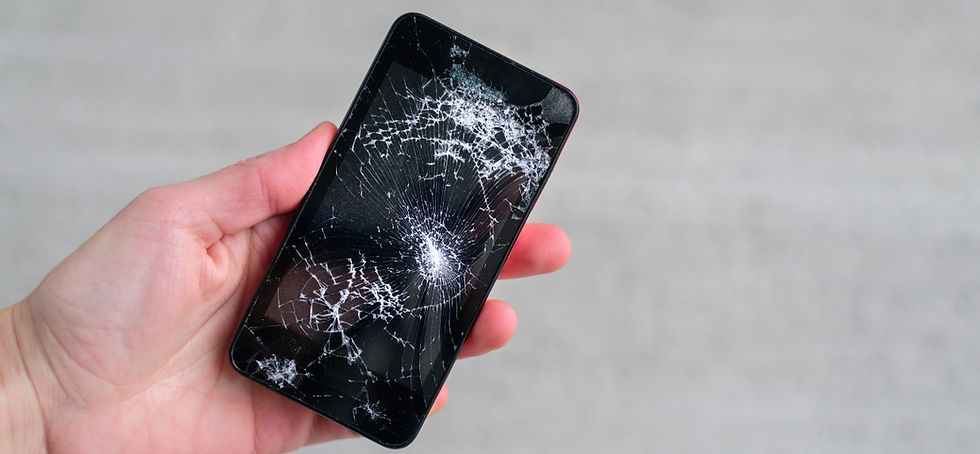
And when they do, the real cost isn’t the device - it’s the lost time, missed jobs, and operational disruption that follow. Yet many businesses are still deploying consumer smartphones into environments they were never designed for.
The Hidden Cost of “Cheap” Devices in SA
On paper, a standard smartphone looks like the cheaper option. In reality, especially in South African conditions, the costs stack up fast:
Dust and dirt on construction and mining sites
Water exposure on farms and outdoor jobs
Drops on concrete, gravel, and workshop floors
Battery drain during long shifts without reliable power
Add to that:
Device replacements
Repairs
Downtime while waiting for swaps
IT admin overhead
And suddenly that “cheap” phone becomes very expensive.
What Makes a Phone Truly Rugged?
In South Africa, “tough” isn’t a marketing term, it’s a requirement.
IP Ratings: Built for Dust, Water, and Real Work
IP ratings measure how well a device is protected against dust and water ingress.
IP68 → Fully dust-tight + can survive water submersion
IP69K → Withstands high-pressure, high-temperature water jets (think washdowns on farms or industrial cleaning)
Why it matters locally:
Farm environments = dust, mud, rain
Mining and construction = fine particulate dust
Workshops = oil, grime, and cleaning
A proper IP rating means the device keeps working - no matter the mess.
MIL-STD-810H: Tested for Harsh Conditions
This military-grade standard ensures devices can handle:
Repeated drops onto hard surfaces
Constant vibration (bakkies, trucks, machinery)
Extreme heat (Northern Cape, Limpopo)
Cold, moisture, and humidity
Saltwater exposure (coastal areas, sweat)
This isn’t about surviving one accident - it’s about lasting in real-world South African conditions over years.
Enterprise-Ready: Built for Business, Not Just Consumers
Durability is only half the story.
For South African businesses, especially those scaling operations, manageability and security are just as important.
Android Enterprise Recommended (AER)
AER-certified devices meet strict Google standards for:
Regular security updates
Reliable performance
Easy deployment (zero-touch enrolment via partners like Vodacom, system integrators, or your own IT team)
Compatibility with enterprise tools (Intune, SOTI, Scalefusion etc.)
What this means in practice:
Faster rollouts across teams
Less IT troubleshooting
Better control over company devices
Stronger data security (critical in regulated industries)
The Real Game-Changer: Total Cost of Ownership (TCO)
This is where most South African businesses are missing the bigger picture.
Upfront Cost vs Real Cost
A consumer phone might be cheaper today. But over 2-3 years? Not even close.
Why Rugged Wins on TCO
1. Longer Lifespan Rugged devices typically last 3-5 years, even in tough environments.
2. Fewer Breakages Less screen damage, water ingress, and hardware failure.
3. Reduced Downtime Teams stay productive—no waiting for repairs or replacements.
4. Lower IT Costs Fewer issues + easier management (especially with AER devices).
5. Stronger Warranties Many rugged devices offer 3-year warranties, often unmatched by consumer brands.
In a cost-sensitive market like South Africa, this matters.
Because saving R2,000 upfront doesn’t help if you’re replacing the device every year.
Where This Matters Most in South Africa
Rugged devices deliver immediate value in industries that keep the country moving:
Mining: Dust, vibration, and safety-critical communication
Construction: Drops, weather exposure, and on-site coordination
Contractors and professionals: Plumbers, electricians, mechanics where a phone is as much a tool as a wrench
Agriculture: Water, mud, and long days without charging
Logistics & Last-Mile Delivery: Constant handling and real-time tracking
Security & Emergency Services: Reliability when it matters most
The SA Market Reality: Carriers Still Matter
South Africa is still a carrier-led market, particularly in postpaid.
That means:
Devices available through networks (like Vodacom) gain real traction
Enterprise-ready devices must integrate into operator ecosystems
Support, servicing, and replacement cycles matter just as much as specs
Rugged devices that tick these boxes are not just tougher - they’re easier to deploy and support at scale.
Final Thought
In South Africa’s working environments, devices don’t get treated gently.
They get:
Dropped
Wet
Covered in dust
Used all day, every day
So, the real question isn’t:
“Is a rugged phone worth it?”
It’s:
“What is it costing us not to use one?”
Because when you factor in reliability, productivity, and total cost. Rugged costs less, it’s just better business.
Let’s Talk
If you’re deploying devices across teams in South Africa, it’s worth reassessing your approach.
Happy to share insights on:
Reducing device failure rates in the field
Building a lower-TCO mobility strategy
Positioning rugged as a viable alternative to legacy device deployments

Comments